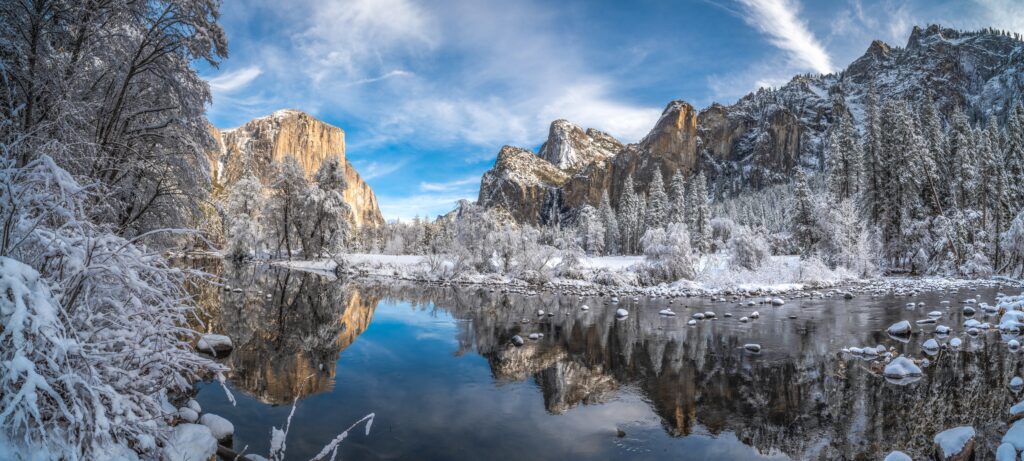
Located in the northeastern corner of Algeria, El Kala National Park is a stunning sanctuary that showcases the diverse landscapes and rich biodiversity of the region. Spanning over 76,000 hectares, this park is a treasure trove for nature lovers, adventurers, and anyone looking to experience the unspoiled beauty of the Algerian wilderness. From its lush forests to its picturesque lakes and vibrant wildlife, El Kala is a destination that promises unforgettable experiences.
A Brief History
El Kala National Park was established in 1983, primarily to protect the unique ecosystems found in the area. The park’s establishment was driven by the need to conserve its rich biodiversity, which includes numerous endemic species of flora and fauna. The park is part of the larger Kabylie region, characterized by its stunning natural beauty and cultural richness.
Historically, the region has been inhabited by various groups, including the Berbers, who have a deep connection to the land. Their influence is still evident today, not only in the local culture but also in the traditional practices of sustainable living that have helped preserve the natural environment.
Geography and Landscape
El Kala National Park features a diverse range of landscapes, from dense forests and wetlands to mountainous terrain and coastal regions. The park is situated along the Mediterranean coast, which contributes to its mild climate and lush vegetation. The varied topography creates distinct ecological zones, making it a hotspot for biodiversity.
Forests
The park is primarily covered by Mediterranean forest, consisting of cork oak, Aleppo pine, and various other species of trees. These forests provide habitat for many animal species and play a crucial role in maintaining the ecological balance of the region. The lush greenery and the fragrance of the forest create a serene atmosphere, perfect for hiking and exploring.
Wetlands
One of the park’s standout features is its wetland areas, which are home to an impressive array of bird species. The wetlands serve as vital stopover points for migratory birds, making El Kala a popular destination for birdwatchers. The presence of various aquatic plants adds to the biodiversity of the region, creating a rich habitat for fish and other wildlife.
Coastal Areas
El Kala National Park also boasts a stunning coastline along the Mediterranean Sea. The sandy beaches and rocky cliffs provide a stark contrast to the lush greenery of the inland forests. This coastal area is not only beautiful but also supports unique marine ecosystems, including various species of fish and marine invertebrates.
Biodiversity
The biodiversity of El Kala National Park is one of its most remarkable features. The park is home to over 300 species of plants, many of which are endemic to the region. This includes a variety of wildflowers, shrubs, and trees that thrive in the Mediterranean climate.
Flora
The park’s flora is diverse, with the forests showcasing species such as:
- Cork Oak (Quercus suber): Known for its thick bark, which is harvested for cork production.
- Aleppo Pine (Pinus halepensis): A hardy tree that can withstand dry conditions, common in the Mediterranean.
- Various Wildflowers: The park bursts into color in spring with the blooming of numerous wildflowers, attracting pollinators.
Fauna
El Kala is also rich in wildlife, with several species of mammals, birds, reptiles, and amphibians calling the park home. Notable fauna includes:
- Mammals: The park is home to species such as the wild boar, foxes, and various rodents. Larger mammals, such as deer, can also be found in the more remote areas.
- Birds: Birdwatchers will be thrilled to discover species such as the Eurasian hoopoe, the glossy ibis, and various migratory waterfowl.
- Reptiles: The park’s diverse habitats support a variety of reptiles, including several species of snakes and lizards.
Activities and Attractions
El Kala National Park offers a multitude of activities for visitors, ranging from leisurely nature walks to more adventurous pursuits. Here are some highlights:
Hiking
With its extensive network of trails, El Kala is a hiker’s paradise. Trails vary in difficulty, catering to both casual walkers and experienced trekkers. Some popular hiking routes take you through the lush forests, along the scenic coast, and around the tranquil lakes.
Birdwatching
The park is a haven for bird enthusiasts. With binoculars in hand, visitors can spot numerous species of birds, especially around the wetland areas. The best time for birdwatching is during migration seasons, when the park is teeming with avian visitors.
Photography
El Kala’s breathtaking landscapes provide an excellent backdrop for photography. Whether capturing the vibrant wildflowers in spring or the stunning sunsets over the Mediterranean, photographers will find endless opportunities to create stunning images.
Wildlife Observation
For those interested in wildlife, the park offers chances to spot various mammals and reptiles in their natural habitats. Guided tours are available for a more in-depth experience, providing insights into the park’s ecology and conservation efforts.
Camping
Camping is allowed in designated areas of the park, providing a unique opportunity to immerse oneself in nature. Spending a night under the stars while listening to the sounds of the forest can be a magical experience.
Conservation Efforts
El Kala National Park plays a crucial role in the conservation of Algeria’s natural heritage. Various initiatives are in place to protect the park’s unique ecosystems and promote sustainable tourism.
Research and Monitoring
Scientific research is conducted regularly to monitor the health of the ecosystems within the park. This includes studies on species populations, habitat conditions, and the impact of climate change. The data gathered helps inform conservation strategies and management practices.
Community Involvement
Local communities play a vital role in the conservation efforts of El Kala. Educational programs are implemented to raise awareness about the importance of biodiversity and the need for sustainable practices. Involving local populations not only helps protect the park but also supports livelihoods through eco-tourism.
Eco-Tourism
El Kala promotes eco-tourism as a way to provide sustainable economic opportunities while ensuring the protection of its natural resources. By attracting visitors who are interested in nature and conservation, the park can generate funds that contribute to its upkeep and preservation.
Getting There and Visiting Tips
Location
El Kala National Park is located in the El Taref Province, easily accessible from major cities like Annaba and Constantine. The nearest airport is in Annaba, which offers domestic and limited international flights.
Best Time to Visit
The best time to visit El Kala is during the spring (April to June) and autumn (September to November) when the weather is mild and the flora is in full bloom. Summer can be hot, especially in July and August, while winter may bring rain and colder temperatures.
What to Bring
- Hiking Gear: Comfortable shoes, a hat, and weather-appropriate clothing are essential for exploring the park.
- Binoculars: A must for birdwatching and wildlife observation.
- Camera: To capture the stunning landscapes and diverse wildlife.
- Water and Snacks: Staying hydrated and fueled is important during outdoor activities.
Conclusion
El Kala National Park is more than just a beautiful landscape; it is a vital ecosystem that supports a rich diversity of life. With its breathtaking scenery, abundant wildlife, and numerous recreational opportunities, the park offers something for everyone. Whether you’re an avid hiker, a birdwatcher, or simply someone looking to connect with nature, El Kala is a destination that should not be missed.
As you plan your visit, remember to respect the natural environment and the local communities that call this area home. By doing so, you can help ensure that El Kala National Park remains a pristine haven for future generations to explore and enjoy. So pack your bags, grab your hik